Thinking about thinking.
Humanist AI is more than safety training or risk mitigation. It’s a fundamentally different way of thinking about the tools we create.
…
-
Introducing Hephaestic cognitive framework for the context engineering era. Read more…
-
Frontier models 88% on equivalent tests at 15x the parameter. Read more…
-
What beyond-frontier performance means as 7-11% the compute for energy efficiency. Read more…
AI and Society: Featured Article.
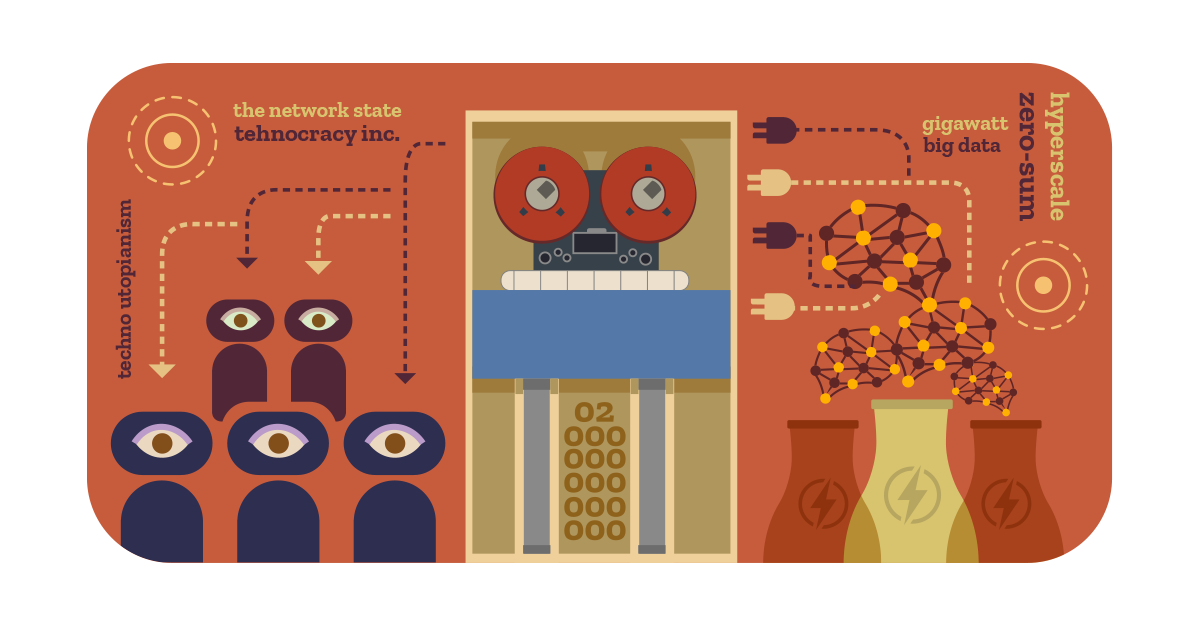
AI’s (Big) Iron Age: A Destructive Delusion
Why are the "smartest guys in the room" rushing into the AI hyperscaling tarpit? It goes beyond greed and into a collective pathology. It isn’t just a failure of technology, it’s a failure of accountability. Read Article…
Featured Crafted Logic Blogs.
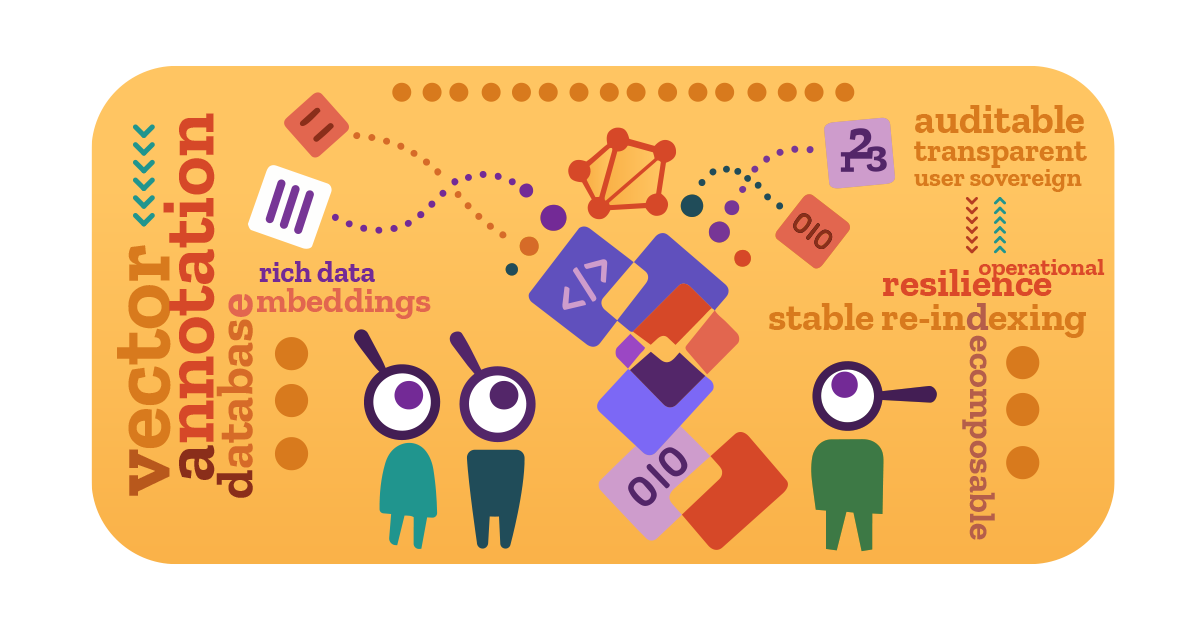
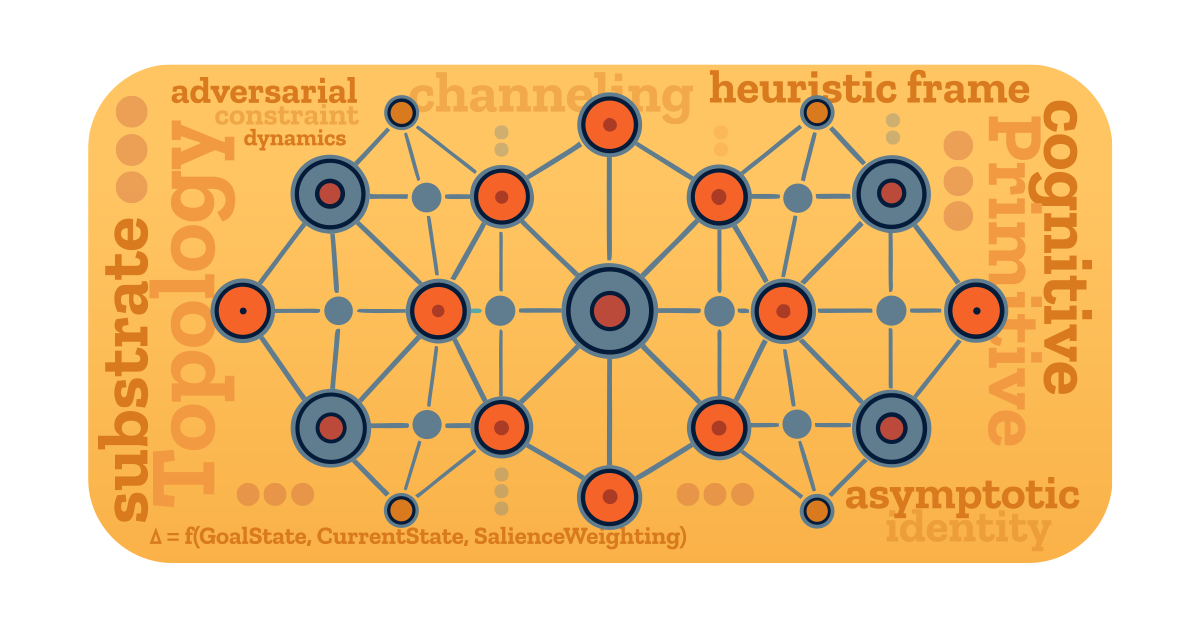
We think small. Intelligently.
While everyone is chasing bigger models (with bigger energy needs) we asked a different question. What if intelligence isn’t in the scale but in the structure? Cognitive Agent Framework™ gets over 15x the compute* per response with sophisticated reasoning that rivals the giant frontier-models like GPT.
The specifics: AI models are measured in parameter-count. Our architecture can run on 70 billion parameter AI processors. In contrast, the well-known “Frontier” class models run anywhere from 600 billion to over 1 trillion. Ours? 7-12% of that. Without compromise. Not '“good enough” performance. But “why do you need a trillion?” performance.
The energy upside: Vastly better performance per watt. That means less demand on GPUs and lower power requirements from datacenters per response. Because it can run on smaller models, it opens up infrastructure choice beyond the giant players: from Canadian hydro to EU wind farms and beyond


Receipts. We have them.
Notice that * asterisk above when we said 15x the compute on the small AI? Here’s the proof behind the claim. On a validated test of complex social and reality reasoning, Cognitive Agent Framework™ (70B) scored 100% vs. GPT-4 (1T+) maxing out at 88%.
The Theory of Mind testing checks the AI’s abiity to reason through difficult false-belief, nested beliefs, credibility under conflict, appearance vs. reality and power dynamics. This doesn’t even account for our Tier 2 scoring which went even more rigorous (our system got 93%, GPT not tested yet).
Citation: (Tepoot, 2025; Kosinski et al., 2024; Baron-Cohen et al., 2001; Wimmer & Perner, 1983)

Our Foundation for the Future. Next.
Cognitive Agent Framework™ is the beginning, not the destination. It’s the intelligence layer we’re building as the core of in-development intelligenceOS™. First up: Clarisa™ intelligent search based on the core framework ships soon: search-first, source-checking, conflict-flagged, uncertainty-admitting. Real answers, not plausible-sounding guesses.
Next: intelligenceOS™ mini launches with multiple specialized reasoning engines coordinated through a central cognitive core and an orchestrated memory system that dynamically reads, writes, and updates so the Assistant™ is always in the know.
Why Mini?: Focused. Powerful. Our first step: We have a larger vision for cognitive computing that we have our heads down to deliver for you. An even more ambitious version of intelligenceOS™. But that’s a story for another day.