
Integrity. Engineered Inside Out
Unreal Engine is built by developers, for developers, with fair terms for all. Because everyone with an idea deserves to use the world’s most open, advanced real-time creation tool to bring it to life.
On a different level. Literally.
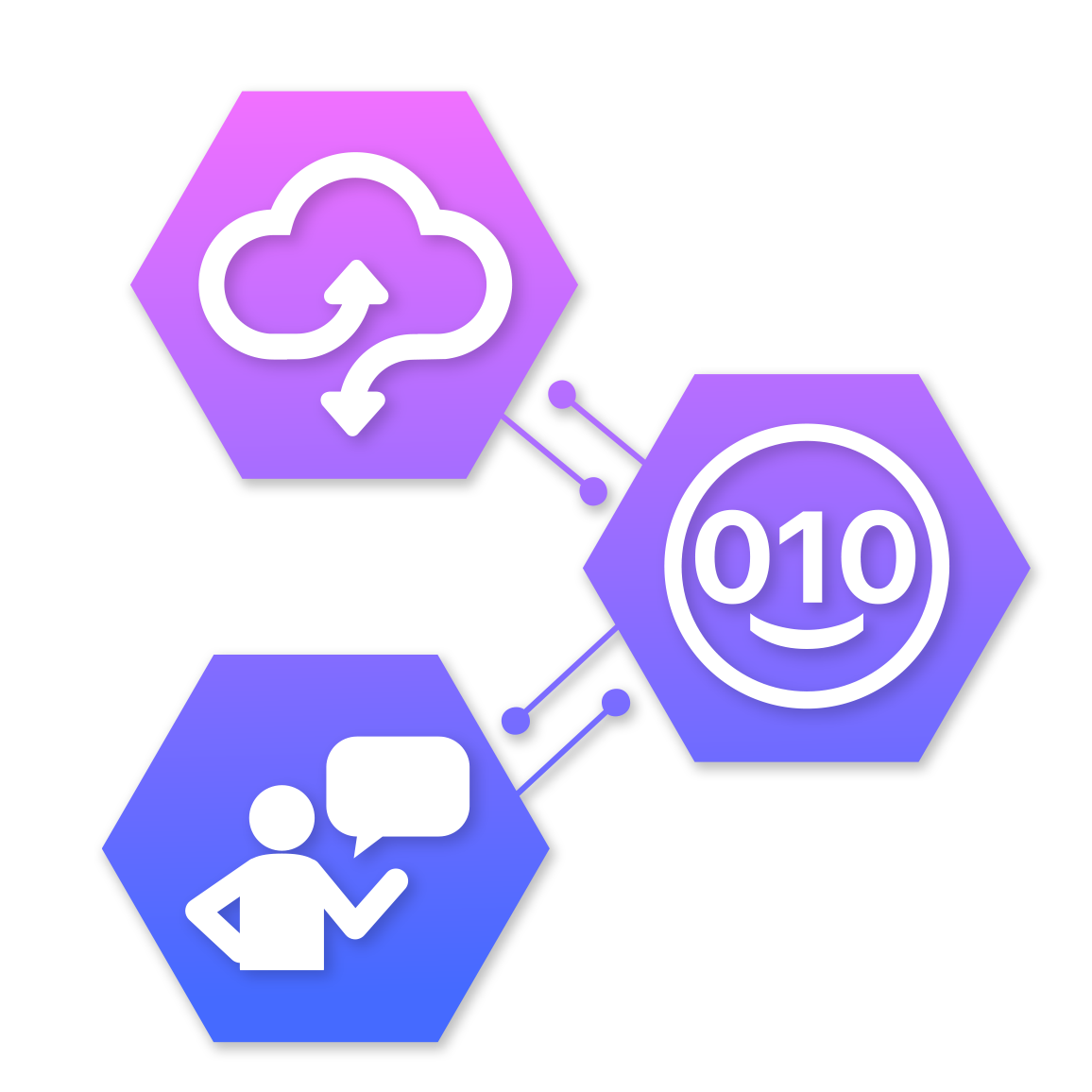
We started with a unique idea: a layered cognitive system. One that works on a level above the raw AI, acting like an operating system that shapes how the Assistant thinks and responds. No user prompts. No magic formulas. Just talk (type?) normally.
This layer is what we call the Cognitive Agent Framework™. Most AI connects you directly to the raw AI layer. Powerful but uncontrolled (hallucinations, anyone?). Typical “agents” give a few instructions and send you on your way to the AI. But by creating a stable framework sitting between you and that chaotic power the assistant architecture transforms all that intelligence into actual coherent, stable and consistent reasoning. Simple when you think about it.
The result? Responses that actually make sense together. Reasoning that stays consistent from start to finish. Every time you ask, you get the same steady intelligence working with you. No hallucinating. No confabulating. No derailing. An Assistant that assists reliably… what a thought.
Integrity. Engineered inside out.
A Cognitive Agent Framework™ Assistant is designed from reason-outward instead of mimicking behavioral routines. And we use sophisticated cognitive engineering to make sure our Assistants can challenge your ideas and constructively push back (yes that’s a feature). Because our framework means our Assistants think differently about thinking:
No More Mr. Yes-Man: The system is tuned to have your back by being transparent and giving real feedback, not going along to get along. Because being helpful means being honest.
Complex Social Reasoning: “Reading the room” requires more than surface matching or mimicking politeness. Being contextually helpful is about tracking hidden signals about three steps deep.
Reality Grounding: Assistant Intelligence™ is desgined to stay anchored in fact and have a critical lens with analytical logic with source search. So answers are reliable, not confident sounding confabulation.
We think small. Intelligently.
While everyone is chasing bigger models (with bigger energy needs) we aked a different question. What if intelligence isn’t in the scale but in the structure? Cognitive Agent Framework™ gets over 15x the compute* per response with sophisticated reasoning that rivals the giant frontier-models like GPT.
The specifics: AI models are measured in parameter-count. Our architecture can run on 70 billion parameter AI processors. In contrast, the well-known “Frontier” class models run anywhere from 600 billion to over 1 trillion. Ours? 7-12% of that. Without compromise. Not '“good enough” performance. But “why do you need a trillion?” performance.
The energy upside: Vastly better performance per watt. That means less demand on GPUs and lower power requirements from datacenters per response. Because it can run on smaller models, it opens up infrastructure choice beyond the giant players: from Canadian hydro to EU wind farms and beyond
.

Receipts. We have them.
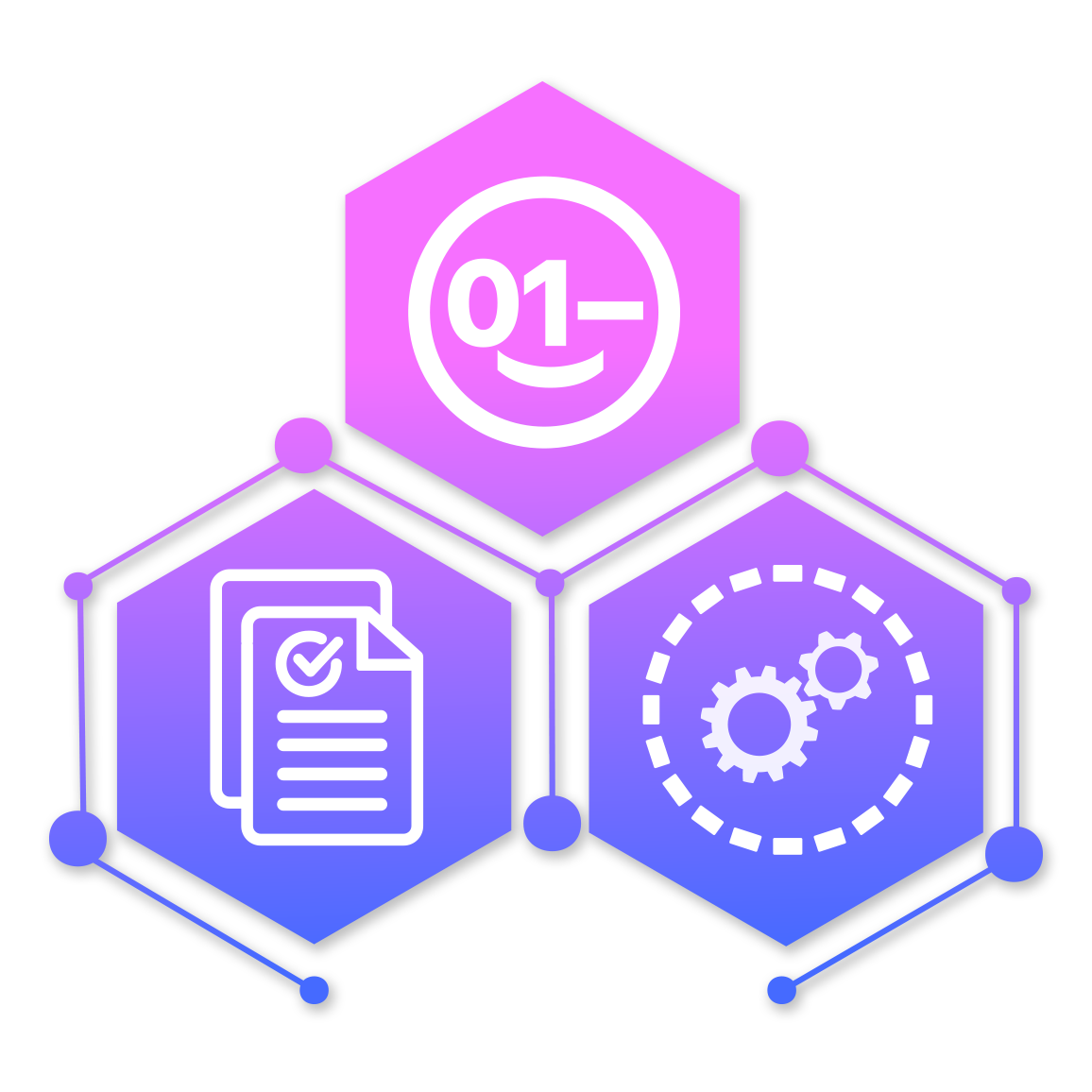
Notice that * asterisk above when we said 15x the compute on the small AI? Here’s the proof behind the claim. On a validated test of complex social and reality reasoning, Cognitive Agent Framework™ (70B) scored 100% vs. GPT-4 (1T+) maxing out at 88%.
The Theory of Mind testing checks the AI’s abiity to reason through difficult false-belief, nested beliefs, credibility under conflict, appearance vs. reality and power dynamics. This doesn’t even account for our Tier 2 scoring which went even more rigorous (our system got 93%, GPT not tested yet).
Citation: (Tepoot, 2025; Kosinski et al., 2024; Baron-Cohen et al., 2001; Wimmer & Perner, 1983)

Our Foundation for the Future. Next.
Cognitive Agent Framework™ is the beginning, not the destination. It’s the intelligence layer we’re building as the core of in-development intelligenceOS™. First up: Clarisa™ intelligent search based on the core framework ships soon: search-first, source-checking, conflict-flagged, uncertainty-admitting. Real answers, not plausible-sounding guesses.
Next: intelligenceOS™ mini launches with multiple specialized reasoning engines coordinated through a central cognitive core and an orchestrated memory system that dynamically reads, writes, and updates so the Assistant™ is always in the know.
Why Mini?: Focused. Powerful. Our first step: We have a larger vision for cognitive computing that we have our heads down to deliver for you. An even more ambitious version of intelligenceOS™. But that’s a story for another day.